October 25
 ☰
☰
Holy Trinity
Publish Date: 2026-10-25
Bulletin Contents
Hymns of the Day
Gospel and Epistle Readings
Saints and Feasts
HTGOC Tulsa Calendar
Community News and Info
Diakonia Newsletter

Holy Trinity
General Information
- Phone:
- (918) 583-2082
- Fax:
- na
- Street Address:
- 1222 S. Guthrie Ave.
- Tulsa, OK 74119
Contact Information
Services Schedule
Saturday Evening Vespers: 5:30 pm
Sunday Morning Orthros 8:30 AM
Sunday Morning Divine Liturgy 9:30 AM
Past Bulletins
- Publish Date:
- 2026-10-18
- Publish Date:
- 2026-10-11
- Publish Date:
- 2026-10-04
- Publish Date:
- 2026-09-27
- Publish Date:
- 2026-09-20
- Publish Date:
- 2026-09-13
Hymns of the Day
Resurrectional Apolytikion in the Fourth Tone
The women disciples of the Lord, having learned from the Angel the joyous news of the Resurrection and having rejected the ancestral decision, then told the apostles elatedly: Death has been stripped of its power; Christ God has risen, granting to the world His great mercy.
Τὸ φαιδρὸν τῆς Ἀναστάσεως κήρυγμα, ἐκ τοῦ Ἀγγέλου μαθοῦσαι αἱ τοῦ Κυρίου Μαθήτριαι, καὶ τὴν προγονικὴν ἀπόφασιν ἀπορρίψασαι, τοῖς Ἀποστόλοις καυχώμεναι ἔλεγον· Ἐσκύλευται ὁ θάνατος, ἠγέρθη Χριστὸς ὁ Θεός, δωρούμενος τῷ κόσμῳ τὸ μέγα ἔλεος.
Apolytikion for Martyrs Marcian and Martyrius in the Fourth Tone
Thy Martyrs, O Lord, in their courageous contest for Thee received as the prize the crowns of incorruption and life from Thee, our immortal God. For since they possessed Thy strength, they cast down the tyrants and wholly destroyed the demons' strengthless presumption. O Christ God, by their prayers, save our souls, since Thou art merciful.
Οι Μάρτυρές σου, Κύριε, εν τή αθλήσει αυτών, στεφάνους εκομίσαντο τής αφθαρσίας, εκ σού τού Θεού ημών, σχόντες γάρ τήν ισχύν σου, τούς τυράννους καθείλον, έθραυσαν καί δαιμόνων, τά ανίσχυρα θράση. Αυτών ταίς ικεσίαις, Χριστέ ο Θεός, σώσον τάς ψυχάς ημών.
Apolytikion of the Church in the Plagal Fourth Tone
Εὐλογητὸς εἶ, Χριστὲ ὁ Θεὸς ἡμῶν, * ὁ πανσόφους τοὺς ἁλιεῖς ἀναδείξας, * καταπέμψας αὐτοῖς τὸ Πνεῦμα τὸ ἅγιον, * καὶ δι' αὐτῶν τὴν οἰκουμένην σαγηνεύσας,* Φιλάνθρωπε, δόξα σοι.
O blessed are You * O Christ our God * Who by sending down * The Holy Spirit upon them * Made the fishermen wise, and through them * Illumined the world* And to you * The universe is ever drawn * All glory to you O Lord
Seasonal Kontakion in the Second Tone
The protection of Christians unshameable, intercessor to our Holy Maker, unwavering, do not turn from the prayerful cries of those who are in sin; instead, come to us, for you are good; your loving help bring unto us, who are crying in faith to you: Hasten to intercession and speed now to supplication as a protection for all time, Theotokos, for those who honor you.
Προστασία τῶν Χριστιανῶν ἀκαταίσχυντε, μεσιτεία πρὸς τὸν Ποιητὴν ἀμετάθετε. Μὴ παρίδῃς ἁμαρτωλῶν δεήσεων φωνάς, ἀλλὰ πρόφθασον, ὡς ἀγαθή, εἰς τὴν βοήθειαν ἡμῶν, τῶν πιστῶς κραυγαζόντων σοι· Τάχυνον εἰς πρεσβείαν, καὶ σπεῦσον εἰς ἱκεσίαν, ἡ προστατεύουσα ἀεί, Θεοτόκε, τῶν τιμώντων σε.
The translations of hymns are under copyright and used by permission. All rights reserved. These works may not be further reproduced, in print or on other websites or in any other form, without the prior written authorization of the copyright holder:
Gospel and Epistle Readings
Matins Gospel Reading
Tenth Orthros Gospel
The Reading is from John 21:1-14
At that time, Jesus revealed Himself again to the disciples by the Sea of Tiberias; and He revealed Himself in this way. Simon Peter, Thomas, called the Twin, Nathanael of Cana in Galilee, the sons of Zebedee, and two others of His disciples were together. Simon Peter said to them, "I am going fishing." They said to him, "We will go with you." They went out and got into the boat, but that night they caught nothing. Just as day was breaking, Jesus stood on the beach, yet the disciples did not know that it was Jesus. Jesus said to them, "Children, have you any fish?" They answered him, "No." He said to them, "Cast the net on the right side of the boat, and you will find some." So they cast it, and now they were not able to haul it in, for the quantity of fish. That disciple whom Jesus loved said to Peter, "It is the Lord!" When Simon Peter heard that it was the Lord, he put on his clothes, for he was stripped for work, and sprang into the sea. But the other disciples came in the boat, dragging the net full of fish, for they were not far from the land, but about a hundred yards off. When they got out on land, they saw a charcoal fire there with fish lying on it, and bread. Jesus said to them, "Bring some of the fish that you have just caught." So Simon Peter went aboard and hauled the net ashore, full of large fish, a hundred and fifty-three of them; and although there were so many, the net was not torn. Jesus said to them, "Come and have breakfast." Now none of the disciples dared ask Him, "Who are you?" They knew it was the Lord. Jesus came and took the bread and gave it to them, and so with the fish. This was now the third time that Jesus was revealed to the disciples after He was raised from the dead. .
Tenth Orthros Gospel
Κατὰ Ἰωάννην 21:1-14
Τῷ καιρῷ ἐκείνῳ, ἐφανέρωσεν ἑαυτὸν ὁ Ἰησοῦς τοῖς μαθηταῖς αὐτοῦ, ἐγερθεὶς ἐκ νεκρῶν, ἐπὶ τῆς θαλάσσης τῆς Τιβεριάδος, ἐφανέρωσε δὲ οὕτως· Ἦσαν ὁμοῦ Σίμων Πέτρος, καὶ Θωμᾶς ὁ λεγόμενος Δίδυμος, καὶ Ναθαναὴλ ὁ ἀπὸ Κανᾶ τῆς Γαλιλαίας, καὶ οἱ τοῦ Ζεβεδαίου, καὶ ἄλλοι ἐκ τῶν μαθητῶν αὐτοῦ δύο. Λέγει αὐτοῖς Σίμων Πέτρος· Ὑπάγω ἁλιεύειν. Λέγουσιν αὐτῷ· Ἐρχόμεθα καὶ ἡμεῖς σὺν σοί. Ἐξῆλθον καὶ ἀνέβησαν εἰς τὸ πλοῖον εὐθύς, καὶ ἐν ἐκείνῃ τῇ νυκτὶ ἐπίασαν οὐδέν. Πρωΐας δὲ ἤδη γενομένης ἔστη ὁ Ἰησοῦς εἰς τὸν αἰγιαλόν· οὐ μέντοι ᾔδεισαν οἱ μαθηταὶ ὅτι Ἰησοῦς ἐστι. Λέγει οὖν αὐτοῖς ὁ Ἰησοῦς· Παιδία, μή τι προσφάγιον ἔχετε; ἀπεκρίθησαν αὐτῷ· Οὔ· ὁ δὲ εἶπεν αὐτοῖς· Βάλετε εἰς τὰ δεξιὰ μέρη τοῦ πλοίου τὸ δίκτυον, καὶ εὑρήσετε. Ἔβαλον οὖν, καὶ οὐκέτι αὐτὸ ἑλκύσαι ἴσχυσαν ἀπὸ τοῦ πλήθους τῶν ἰχθύων. Λέγει οὖν ὁ μαθητὴς ἐκεῖνος ὃν ἠγάπα ὁ Ἰησοῦς τῷ Πέτρῳ· Ὁ Κύριός ἐστι. Σίμων οὖν Πέτρος, ἀκούσας ὅτι ὁ Κύριός ἐστι, τὸν ἐπενδύτην διεζώσατο - ἦν γὰρ γυμνὸς -, καὶ ἔβαλεν ἑαυτὸν εἰς τὴν θάλασσαν, οἱ δὲ ἄλλοι μαθηταὶ τῷ πλοιαρίῳ ἦλθον - οὐ γὰρ ἦσαν μακρὰν ἀπὸ τῆς γῆς, ἀλλ' ὡς ἀπὸ πηχῶν διακοσίων -, σύροντες τὸ δίκτυον τῶν ἰχθύων. Ὡς οὖν ἀπέβησαν εἰς τὴν γῆν, βλέπουσιν ἀνθρακιὰν κειμένην καὶ ὀψάριον ἐπικείμενον, καὶ ἄρτον. Λέγει αὐτοῖς ὁ Ἰησοῦς· Ἐνέγκατε ἀπὸ τῶν ὀψαρίων ὧν ἐπιάσατε νῦν. Ἀνέβη οὖν Σίμων Πέτρος, καὶ εἵλκυσε τὸ δίκτυον ἐπὶ τῆς γῆς, μεστὸν ἰχθύων μεγάλων ἑκατὸν πεντηκοντατριῶν, καὶ τοσούτων ὄντων, οὐκ ἐσχίσθη τὸ δίκτυον. Λέγει αὐτοῖς ὁ Ἰησοῦς· Δεῦτε ἀριστήσατε. Οὐδεὶς δὲ ἐτόλμα τῶν μαθητῶν ἐξετάσαι αὐτόν. Σὺ τίς εἶ; εἰδότες ὅτι ὁ Κύριός ἐστιν. Ἔρχεται οὖν ὁ Ἰησοῦς, καὶ λαμβάνει τὸν ἄρτον, καὶ δίδωσιν αὐτοῖς, καὶ τὸ ὀψάριον ὁμοίως. Τοῦτο ἤδη τρίτον ἐφανερώθη ὁ Ἰησοῦς τοῖς μαθηταῖς αὐτοῦ, ἐγερθεὶς ἐκ νεκρῶν.
Epistle Reading
Prokeimenon. Fourth Tone. Psalm 103.24,1.
O Lord, how manifold are your works. You have made all things in wisdom.
Verse: Bless the Lord, O my soul.
The reading is from St. Paul's Letter to the Galatians 2:16-20.
Brethren, knowing that a man is not justified by works of the law but through faith in Jesus Christ, even we have believed in Christ Jesus, in order to be justified by faith in Christ, and not by works of the law, because by works of the law shall no one be justified. But if, in our endeavor to be justified in Christ, we ourselves were found to be sinners, is Christ then an agent of sin? Certainly not! But if I build up again those things which I tore down, then I prove myself a transgressor. For I through the law died to the law, that I might live to God. I have been crucified with Christ; it is no longer I who live, but Christ who lives in me; and the life I now live in the flesh I live by faith in the Son of God, who loved me and gave himself for me.
Προκείμενον. Fourth Tone. ΨΑΛΜΟΙ 103.24,1.
Ὡς ἐμεγαλύνθη τὰ ἔργα σου Κύριε, πάντα ἐν σοφίᾳ ἐποίησας.
Στίχ. Εὐλόγει ἡ ψυχή μου τὸν Κύριον.
τὸ Ἀνάγνωσμα Πρὸς Γαλάτας 2:16-20.
Ἀδελφοί, εἰδότες ὅτι οὐ δικαιοῦται ἄνθρωπος ἐξ ἔργων νόμου, ἐὰν μὴ διὰ πίστεως Ἰησοῦ Χριστοῦ, καὶ ἡμεῖς εἰς Χριστὸν Ἰησοῦν ἐπιστεύσαμεν, ἵνα δικαιωθῶμεν ἐκ πίστεως Χριστοῦ, καὶ οὐκ ἐξ ἔργων νόμου· διότι οὐ δικαιωθήσεται ἐξ ἔργων νόμου πᾶσα σάρξ. Εἰ δέ, ζητοῦντες δικαιωθῆναι ἐν Χριστῷ, εὑρέθημεν καὶ αὐτοὶ ἁμαρτωλοί, ἆρα Χριστὸς ἁμαρτίας διάκονος; Μὴ γένοιτο. Εἰ γὰρ ἃ κατέλυσα, ταῦτα πάλιν οἰκοδομῶ, παραβάτην ἐμαυτὸν συνίστημι. Ἐγὼ γὰρ διὰ νόμου νόμῳ ἀπέθανον, ἵνα θεῷ ζήσω. Χριστῷ συνεσταύρωμαι· ζῶ δέ, οὐκέτι ἐγώ, ζῇ δὲ ἐν ἐμοὶ Χριστός· ὃ δὲ νῦν ζῶ ἐν σαρκί, ἐν πίστει ζῶ τῇ τοῦ υἱοῦ τοῦ θεοῦ, τοῦ ἀγαπήσαντός με καὶ παραδόντος ἑαυτὸν ὑπὲρ ἐμοῦ.
Gospel Reading
6th Sunday of Luke
The Reading is from Luke 8:26-39
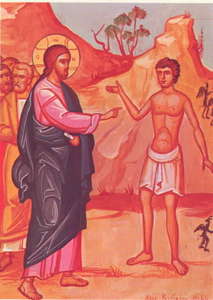
At that time, as Jesus arrived at the country of the Gadarenes, there met him a man from the city who had demons; for a long time he had worn no clothes and he lived not in a house but among the tombs. When he saw Jesus, he cried out and fell down before him, and said with a loud voice, "What have you to do with me, Jesus, Son of the Most High God? I beseech you, do not torment me." For he had commanded the unclean spirit to come out of the man. (For many a time it had seized him; he was kept under guard, and bound with chains and fetters, but he broke the bonds and was driven by the demon into the desert.) Jesus then asked him, "What is your name?" And he said, "Legion"; for many demons had entered him. And they begged him not to command them to depart into the abyss. Now a large herd of swine was feeding there on the hillside; and they begged him to let them enter these. So he gave them leave. Then the demons came out of the man and entered the swine, and the herd rushed down the steep bank into the lake and were drowned. When the herdsmen saw what happened, they fled, and told it in the city and in the country. Then people went out to see what had happened, and they came to Jesus, and found the man from whom the demons had gone, sitting at the feet of Jesus, clothed and in his right mind; and they were afraid. And those who had seen it told them how he who had been possessed with demons was healed. Then all the people of the surrounding country of the Gadarenes asked him to depart from them; for they were seized with great fear; so he got into the boat and returned. The man from whom the demons had gone begged that he might be with him; but he sent him away, saying, "Return to your home, and declare how much God has done for you." And he went away, proclaiming throughout the whole city how much Jesus had done for him.
6th Sunday of Luke
Κατὰ Λουκᾶν 8:26-39
Τῷ καιρῷ ἐκείνῳ, ἐλθόντι τῷ Ἰησοῦ εἰς τὴν χώραν τῶν Γαδαρηνῶν, ἥτις ἐστὶν ἀντίπερα τῆς Γαλιλαίας. ἐξελθόντι δὲ αὐτῷ ἐπὶ τὴν γῆν ὑπήντησεν αὐτῷ ἀνήρ τις ἐκ τῆς πόλεως, ὃς εἶχε δαιμόνια ἐκ χρόνων ἱκανῶν, καὶ ἱμάτιον οὐκ ἐνεδιδύσκετο καὶ ἐν οἰκίᾳ οὐκ ἔμενεν, ἀλλ᾿ ἐν τοῖς μνήμασιν. ἰδὼν δὲ τὸν ᾿Ιησοῦν καὶ ἀνακράξας προσέπεσεν αὐτῷ καὶ φωνῇ μεγάλῃ εἶπε· τί ἐμοὶ καὶ σοί, ᾿Ιησοῦ, υἱὲ τοῦ Θεοῦ τοῦ ὑψίστου; δέομαί σου, μή με βασανίσῃς. παρήγγειλε γὰρ τῷ πνεύματι τῷ ἀκαθάρτῳ ἐξελθεῖν ἀπὸ τοῦ ἀνθρώπου. πολλοῖς γὰρ χρόνοις συνηρπάκει αὐτόν, καὶ ἐδεσμεῖτο ἁλύσεσι καὶ πέδαις φυλασσόμενος, καὶ διαρρήσσων τὰ δεσμὰ ἠλαύνετο ὑπὸ τοῦ δαίμονος εἰς τὰς ἐρήμους. ἐπηρώτησε δὲ αὐτὸν ὁ ᾿Ιησοῦς λέγων· τί σοί ἐστιν ὄνομα; ὁ δὲ εἶπε· λεγεών· ὅτι δαιμόνια πολλὰ εἰσῆλθεν εἰς αὐτόν· καὶ παρεκάλει αὐτὸν ἵνα μὴ ἐπιτάξῃ αὐτοῖς εἰς τὴν ἄβυσσον ἀπελθεῖν. ἦν δὲ ἐκεῖ ἀγέλη χοίρων ἱκανῶν βοσκομένων ἐν τῷ ὄρει· καὶ παρεκάλουν αὐτὸν ἵνα ἐπιτρέψῃ αὐτοῖς εἰς ἐκείνους εἰσελθεῖν· καὶ ἐπέτρεψεν αὐτοῖς. ἐξελθόντα δὲ τὰ δαιμόνια ἀπὸ τοῦ ἀνθρώπου εἰσῆλθον εἰς τοὺς χοίρους, καὶ ὥρμησεν ἡ ἀγέλη κατὰ τοῦ κρημνοῦ εἰς τὴν λίμνην καὶ ἀπεπνίγη. ἰδόντες δὲ οἱ βόσκοντες τὸ γεγενημένον ἔφυγον, καὶ ἀπήγγειλαν εἰς τὴν πόλιν καὶ εἰς τοὺς ἀγρούς. ἐξῆλθον δὲ ἰδεῖν τὸ γεγονός, καὶ ἦλθον πρὸς τὸν ᾿Ιησοῦν καὶ εὗρον καθήμενον τὸν ἄνθρωπον, ἀφ᾿ οὗ τὰ δαιμόνια ἐξεληλύθει, ἱματισμένον καὶ σωφρονοῦντα παρὰ τοὺς πόδας τοῦ ᾿Ιησοῦ, καὶ ἐφοβήθησαν. ἀπήγγειλαν δὲ αὐτοῖς οἱ ἰδόντες πῶς ἐσώθη ὁ δαιμονισθείς. καὶ ἠρώτησαν αὐτὸν ἅπαν τὸ πλῆθος τῆς περιχώρου τῶν Γαδαρηνῶν ἀπελθεῖν ἀπ᾿ αὐτῶν, ὅτι φόβῳ μεγάλῳ συνείχοντο. αὐτὸς δὲ ἐμβὰς εἰς τὸ πλοῖον ὑπέστρεψεν. ἐδέετο δὲ αὐτοῦ ὁ ἀνήρ, ἀφ᾿ οὗ ἐξεληλύθει τὰ δαιμόνια, εἶναι σὺν αὐτῷ· ἀπέλυσε δὲ αὐτὸν ὁ ᾿Ιησοῦς λέγων· ὑπόστρεφε εἰς τὸν οἶκόν σου καὶ διηγοῦ ὅσα ἐποίησέ σοι ὁ Θεός. καὶ ἀπῆλθε καθ᾿ ὅλην τὴν πόλιν κηρύσσων ὅσα ἐποίησεν αὐτῷ ὁ ᾿Ιησοῦς.
Saints and Feasts


October 25
The Holy Martyrs Marcian and Martyrius the Notaries
These Martyrs were disciples of Saint Paul the Confessor (see Nov. 6). Martyrius was a subdeacon, Marcian a chanter and reader. They were beheaded by the Arians in the year 346. Miracles were wrought at their tomb, and demons were cast out; Saint John Chrysostom began the building of the church in their honour in Constantinople, and it was completed by patriarch Sisinius.

October 25
Tabitha, who was raised from the dead by Peter the Apostle

October 25
Martyr Chrysanthe
HTGOC Tulsa Calendar
-
HTGOC Calendar
October 25 to November 8, 2026
Sunday, October 258:30AM Orthros
9:30AM Divine Liturgy
10:00AM Red Cross Blood Drive in the Hall (Sponsored by AHEPA)
11:00AM AHEPA Oxi Day Recognition
12:00PM Post Festival Wrap Up Meeting
1:30PM Faith Group, Hope & Joy Group Pumpkin Patch Outing
6:00PM AHEPA Meeting
Monday, October 26St. Demetrios
8:30AM Orthros followed by Divine Liturgy
Tuesday, October 276:30AM Men’s Study Group
Wednesday, October 285:00PM Paraklesis
6:00PM GOYA Basketball Practice
6:00PM Journey to Fullness Video Catechism Series
Friday, October 304:30PM Wedding Rehearsal
Saturday, October 314:00PM Wedding
5:30PM CANCEL TONIGHT-Vespers
Sunday, November 18:30AM Orthros
9:30AM Divine Liturgy
Monday, November 2His Eminence Archbishop Elpidophoros' Name Day
Tuesday, November 36:30AM Men’s Study Group
Wednesday, November 45:00PM Paraklesis
6:00PM GOYA Basketball Practice
6:00PM Journey to Fullness Video Catechism Series
Saturday, November 7Daughters of Penelope-Thanksgiving Meal Prep
5:30PM Vespers
Sunday, November 88:30AM Orthros
9:30AM Divine Liturgy
10:45AM Special Prayer for Veterans Day
11:00AM Community Thanksgiving Meal and Talent Show (hosted by Daughters of Penelope)
11:00AM Parish Council Elections
Community News and Info
Note About Security at Church
It is up to all of us to make sure the Church and Hall are secure before leaving the premises. There have been a few occasions recently when the first person arriving in the morning has found doors unlocked and or open, lights on, and air conditioning running all night.
We ask that everyone practices good stewardship and care for our community, our church, and hall, with the following:
- Confirm all lights are off. If you are the last one in a room/classroom/area, please turn off the light.
- Air Conditioning/Heat: the thermostats are programmed and should not need to be adjusted on a regular basis. If you adjust a thermostat, plesae return it to the schedule when leaving.
- Doors/Locks: If you unlock a door, please lock it before you leave. If you are the last one to leave, please make sure all doors are locked and secure, even if someone else opened or unlocked it.
Please continue to confirm that the Alarm is disarmed before entering the chruch or hall, including hte North Kitchen Door, thank you.
Sunday, October 25 AHEPA News
Please join us for an OXI Day recognition after Divine Liturgy. We'll also be hosting another Red Cross Blood Drive until 3pm this afternoon; and our Monthly AHEPA Meeting will be at 6pm tonight in the Hall.
Post Festival Wrap Up Meeting This Week
Plan to stay for the Post Festival Wrap Up Meeting. We look forward to wrapping up the 2026 Tulsa Greek Festival, and towards the planning and prep for 2027. Mark your calendars and tell your friends: September 16-18, 2027
Men's Group
Our men's group will meet at 6:30am this Tuesday.
Paraklesis
Please join us for Paraklesis this Wednesday at 5pm.
Sunday Church School
Our Sunday Church School classes will meet this week. Our students and teachers will receive communion thne proceed to their classes.
GOYA News
Registration for the Metroplis of Denver GOYA Basketball Tournament is open! All GOYAns and coaches, please register as soon as you can, please reach out to Father George if you have any questions or need help getting registered. The Tournament will take place in Dallas, January 15-18, 2027.
We will have GOYA Basektball practice this Wednesday, at 6pm (after Paraklesis). All middle school and high school age students at Holy Trinity are welcome!
Our next GOYA event will be Saturday evening, October 24th. We look forward to getting together for a bonfire and pumpkin carving. More details to come in the next couple of weeks.
Faith Group, and Hope & Joy Group Outing This Afternoon, Sunday, October 25
Faith Group (infants/toddlers and their parents) and Hope & Joy Group (elementary ages) will meet at Charmichael's Pumpkin Patch after services and the OXI Day Commemoration. Bring a picnic lunch, or buy lunch there.
Journey To Fullness - Orthodoxy Video Series Continues This Wednesday
A 16-episode video series created by Fr. Barnabas Powell through Ancient Faith Ministries, designed to introduce inquirers to the Orthodox Christian Faith. Though it was made with inquirers in mind, all can benefit from this video series - regardless of whether they have lived their entire lives in the Church or are encountering her for the first time. The goal of this class is to give everyone who takes it an opportunity to journey deeper into the fullness that is the Orthodox Christian Faith.
We'll continue this Wendnesday at 6pm (after Paraklesis). Thanks once again to our Inreach & Outreach Ministry for making this available
Diakonia Newsletter
“Actions Speak Louder than Words.”—Reflections From Today’s Reading – Galatians 2:16-20
Fr. George Parsenios (HCHC ’96)
When Abraham Lincoln honors the Union soldiers who died at Gettysburg, he says, “The world will little note, nor long remember what we say here, but it can never forget what they did here.” Actions speak louder than words. St. Paul makes the same point today when he says, “I have been crucified with Christ. It is no longer I who live, but Christ who lives in me.” Paul’s letters and his preaching are filled with eloquent words that explain how to live the new life in Christ. But St. Paul’s most eloquent explanation of how to follow the Gospel was written on his own self and articulated by his actions. His actions explained the Gospel and provided a model for others to follow. Tomorrow, on October 26, we commemorate St. Demetrios the Great Martyr; as we do, we should recall that St. John Chrysostom said that the actions of the saints were more convincing explanations of the Gospel than any sermon could ever be. Chrysostom explains this by imagining people wondering whether the water in a bath is too hot to enter. People standing beside the bath may talk endlessly about how hot the water might be, but the most convincing person is the one who dips his toe into the water. His actions tell the tale. If this example is true, then even more are the martyrs eloquent evangelists, because they testify to Christ not merely with a toe or even a limb, but with their entire selves. Their actions are a masterful and convincing sermon on what it means to follow Christ. Like St. Paul, the martyrs were crucified with Christ, and so when we look at them, we see an image of Christ. We, too, must not merely call ourselves Christians in words, but preach Christ in our actions.
Fr. George Parsenios is Professor of New Testament at Holy Cross Greek Orthodox School of Theology. www.hchc.edu
This Week’s Look at Church History: The Liturgy of St. James
Ben Malian, MTS-Holy Cross 2026
The Feast of St. James (October 23rd) provides an annual opportunity for Orthodox Christians to celebrate the Divine Liturgy in a manner that differs from the more familiar rhythms of the liturgies of St. John Chrysostom and St. Basil the Great. Attributed to the Apostle James, Brother of our Lord, the Liturgy of St. James developed in the ancient Church of Jerusalem and reflects many early liturgical customs that have since been adapted or omitted altogether by the Orthodox Church over the centuries.
Some noticeable differences in the Liturgy of St. James include a true “small entrance” during which the congregation enters from the narthex into the nave led by the celebrants, who remain on the solea praying versus populum (“toward the people”) instead of ad orientem (“to the East”), often before a specially erected altar table. Later, following the richly detailed anaphora, the laity come forward to receive communion in both “kinds”—i.e. the Body “in the hand” and the Blood directly from the chalice—a manner of communing traditionally reserved for the clergy.
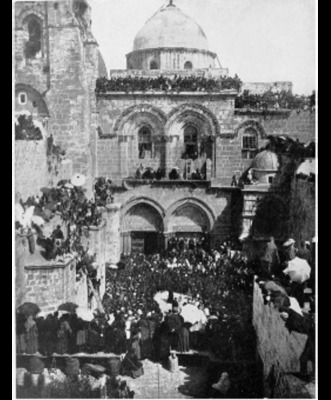
Image Credit: Church of the Holy Sepulcher in Jerusalem, Easter 1910. Public Domain.
Satan, Evil, and Exorcism in the Orthodox Church
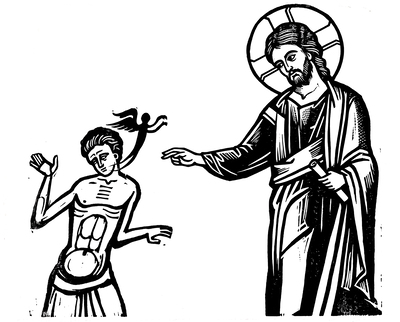
To understand exorcism in the Orthodox Church, one must first understand the Orthodox teaching on evil and Satan. According to the Church Fathers, Satan was created by God as a free angel who chose to rebel against God's will. He became evil through his own choices. Satan is viewed as a real, personal force that opposes God, promotes deception, and seeks to draw humanity away from divine truth. Although he recognizes God's existence and power, he continually works to corrupt and disorder creation. We believe that evil is not inherent in the world. Creation is good, but evil resides in the rebellious powers opposed to God. Ultimately, Satan and all evil will be defeated through Christ's victory over death and the final renewal of creation.
The Orthodox Church has long recognized the reality of demonic influence and has prayers and rites to combat evil. Exorcism is commonly associated with Baptism, where candidates renounce Satan and unite themselves to Christ. The prayers invoke God's power to expel evil spirits and reject every form of deception, idolatry, falsehood, and impurity associated with the devil.
The Church also addresses evil through prayers related to vaskania, commonly known as the evil eye. Traditionally, this refers to the destructive effects of jealousy and envy directed toward another person or blessing. While the Church rejects superstitious and magical interpretations of the evil eye as incompatible with divine providence, it recognizes envy as a genuine spiritual problem. Consequently, prayers against vaskania seek God's protection from the harmful effects of jealousy while avoiding magical practices or folk rituals.
The New Testament records numerous instances of Christ and the Apostles healing and delivering people from demonic influence. The Orthodox Church views its prayers of exorcism as a continuation of this ministry. Through prayer, fasting, repentance, and faith in Christ, believers seek freedom from spiritual oppression and the power of evil.
Orthodox prayer books contain seven well-known exorcism prayers: three by Saint Basil the Great and four by Saint John Chrysostom. These prayers ask God, in the name of Jesus Christ, to liberate those suffering from demonic affliction or other spiritual maladies. While exorcism remains part of Orthodox practice, the Church teaches that it must always be used with caution, discernment, and pastoral care, emphasizing God's healing grace rather than sensationalism.
Based on a longer article by Rev. George C. Papademetriou, Ph.D. found on goarch.org (https://bit.ly/4hhHC3A)